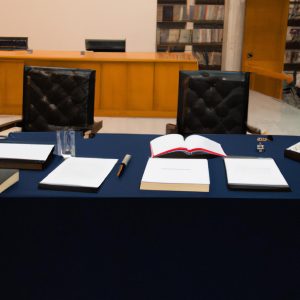
When a Manhattan family gathers in a mahogany-paneled office a week after a funeral, expecting an attorney to unseal an envelope and dramatically read a parent’s last wishes, they are usually disappointed. Hollywood trained us to expect the formal “reading of the will”—complete with surprise disinheritances, hidden conditions, and sudden gasps from slighted relatives. In reality, New York law does not require, nor typically accommodate, this cinematic event. The process is far more bureaucratic, deliberate, and rooted in the procedural reality of Surrogate’s Court.
The Fiduciary Duty to File
There is no legal requirement to read a will aloud to beneficiaries. Instead, the transition of wealth begins with formal filing. The nominated executor acts as a custodian of the document from the moment the testator passes away. Their first fiduciary duty is not to assemble an audience, but to locate the original, ink-signed will and submit it, alongside a probate petition, to the Surrogate’s Court in the county where the deceased resided.
Finding that original document is critical. If the family can only locate a photocopy, the law presumes the testator intentionally destroyed and revoked the original will before their death. Overcoming that presumption requires a burdensome evidentiary hearing under SCPA §1407. The immediate days following a death are spent securing physical property and documents, not scheduling a dramatic reading.
When Do Beneficiaries Actually See the Document?
Once the probate petition is filed, the will becomes a matter of public record. Family members do not have to wait for a court clerk to process the paperwork to see what it says. Under the Surrogate’s Court Procedure Act (SCPA) §1403, the executor must formally notify all individuals who would have inherited if no will existed—known as distributees. Additionally, under SCPA §1409, those explicitly named as beneficiaries receive a formal Notice of Probate.
This formal notification happens through specific legal instruments. The executor’s attorney typically mails the distributees a copy of the will along with a document called a “Waiver of Process and Consent to Probate.” By signing this waiver, the heir agrees the will is valid and allows the court to appoint the executor without a formal hearing.
If an heir refuses to sign the waiver, or if family relations are hostile, the court issues a Citation—a formal order directing the individual to appear in court if they wish to object. In either scenario, a copy of the will accompanies the mailing. This is the exact moment heirs “read” the will. It happens privately, at their own kitchen tables, reviewing a photocopied packet rather than listening to an attorney’s recitation.
The Timeline of Disclosure
The timing of this disclosure depends entirely on the executor’s efficiency and the overall organization of the estate. A prudent executor secures the original will within days of the passing, but it often takes several weeks—sometimes months—to gather the necessary financial details, obtain original death certificates, and accurately map out the family tree required to file the probate petition.
During this interim, the executor might choose to provide an informal copy of the will to immediate family members to set expectations. They are not legally obligated to do so until the formal court process begins, but I often counsel executors that deliberate transparency early on is the best policy. Hiding the document only breeds the kind of suspicion that leads to probate litigation.
Stewardship.
That is the true role of an executor. Generational wealth transfer requires intentional communication, and providing a copy of the will before the formal court mandate forces the issue is often a hallmark of good stewardship. While the executor holds the legal authority, treating the family with respect during the administrative delay minimizes friction.
Addressing Grievances and Objections
Seeing the will for the first time on paper can be jarring, especially if the distribution of assets is unequal, a second spouse is favored over children from a first marriage, or a charity receives a massive bequest. Because the document is mailed rather than read aloud, a disinherited child cannot immediately stand up and question the attorney who drafted it.
Instead, New York provides a highly structured mechanism for challenging the document. Under SCPA §1410, anyone whose financial interest is adversely affected by the admission of the will to probate has the right to file formal objections. Common grounds for these objections include lack of testamentary capacity, undue influence, or improper execution of the document.
This statutory reality is exactly why the Hollywood version of the will reading is fundamentally incompatible with actual legal practice. A dramatic reading invites immediate, unmoderated conflict in a lawyer’s conference room. The probate process—mailing copies, issuing citations, and allowing a measured statutory period for review—provides a structured environment for addressing grievances. It forces aggrieved parties to consult their own legal counsel and determine if they have actual legal grounds to object, rather than simply reacting out of raw emotion.
Do not wait until a crisis forces your family into Surrogate’s Court to understand how your estate will be handled or how your intentions will be communicated. Whether you have just been named as an executor and need to initiate probate, or you want to structure your own legacy to avoid future family conflict, clarity is your best defense. Schedule a 30-minute review of your existing estate documents with our office to verify your intentions are legally sound, properly structured, and ready for probate.