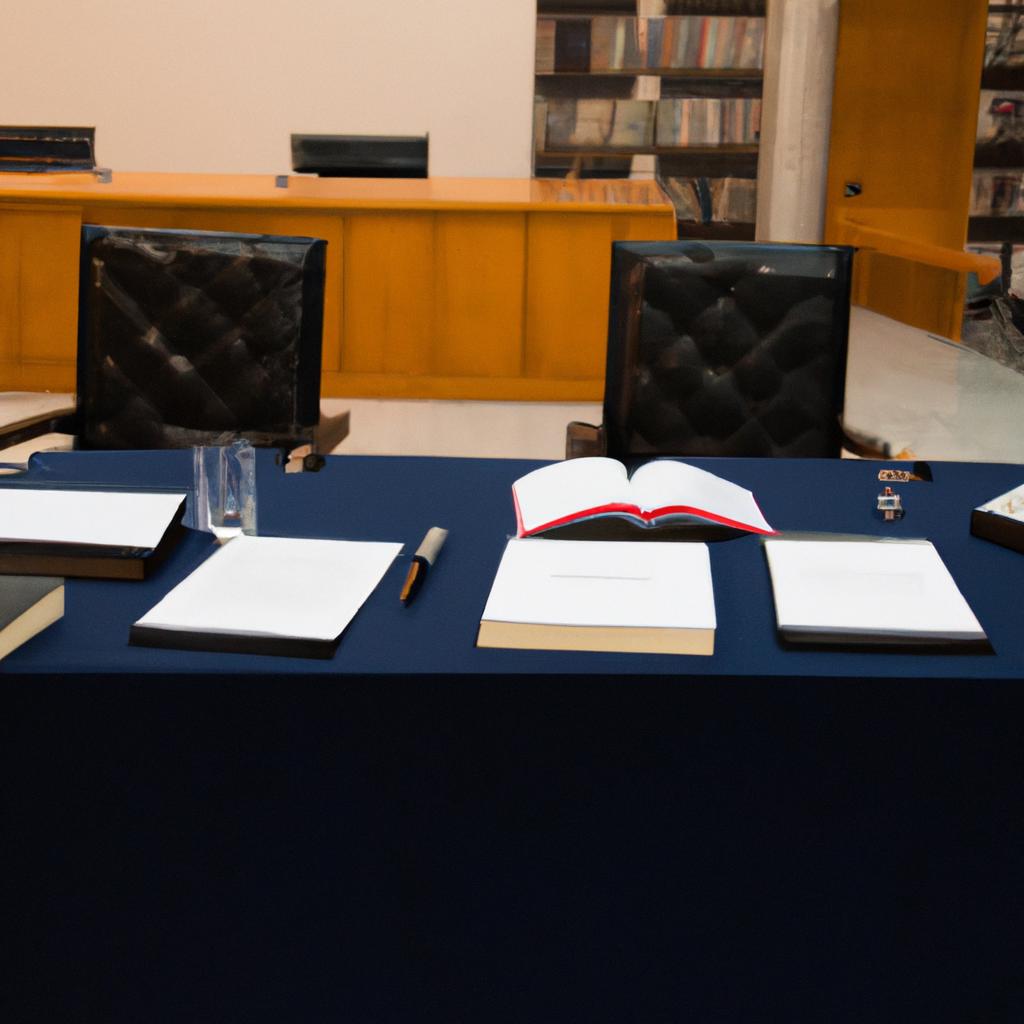
I once met with a family from Brooklyn whose father had passed away suddenly. He was a meticulous man who had, they thought, taken care of everything. They found his Last Will and Testament in his desk, neatly typed and signed. The problem? He’d signed it alone one evening, with no witnesses. Under New York law, that signature meant nothing. The document was invalid, and his carefully considered wishes were set aside in favor of the state’s default intestacy rules. His estate—and his family’s next year—belonged to the Surrogate’s Court.
This is a scenario we see far too often. People think of a Will as a simple list of who gets what. It’s not. A Will is a legal instrument with precise, unyielding requirements. More importantly, it is the foundational directive for the stewardship of your legacy. It’s your opportunity to speak with clarity when you no longer have a voice.
The Two Most Important Decisions in Your Will
When clients first come to my office, they are usually focused on asset distribution. Who gets the house? How should the investment accounts be divided? These are important questions, but they are not the most critical ones a Will answers. The two most consequential decisions you will make are your choice of Executor and, if you have minor children, your choice of Guardian.
Your Executor is the person—or institution—you name to be in charge of your estate. This is the individual who will gather your assets, pay your final debts and taxes, and ultimately distribute what remains according to your Will’s instructions. This is a job of immense trust and responsibility. It is a fiduciary duty, the highest standard of care under the law. Your Executor must be organized, impartial, and able to withstand potential pressure from beneficiaries. Choosing the wrong person can ignite family conflict and delay the settlement of your estate for years.
For parents of young children, appointing a Guardian is the single most important function of a Will. Without this designation, a court will decide who raises your children. A judge who does not know you or your family will make a decision based on limited information presented in a courtroom. Your Will is the only place to make your choice legally binding, ensuring the people you trust most are empowered to act as custodians for your children.
Why Legal Formalities Are Not Optional
A Will is not a suggestion; it is a legal command to the court. For that command to be heard and obeyed, it must be delivered in the precise format the law requires. In New York, these formalities are laid out in Estates, Powers and Trusts Law (EPTL) § 3-2.1. The statute is explicit: you, the testator, must sign the Will at its very end. Two witnesses must be present, and they must both watch you sign and then sign their own names within a 30-day period.
These rules may seem archaic, but they serve a vital purpose. They protect against fraud and undue influence. They create a clear record that you signed the document deliberately and with full understanding of its contents. When a Will is presented to the Surrogate’s Court, the witnesses may be called to attest to the signing. A “self-proving affidavit,” which we include with every Will we draft, allows the witnesses to swear to the facts of the execution at the time of signing, which greatly simplifies the probate process later.
Deviating from these formalities—as the father in Brooklyn did—invalidates the entire document. It doesn’t matter how clearly your intentions are stated. If the execution is flawed, the law treats the Will as if it never existed.
What Your Will Cannot Accomplish
A well-drafted Will is the cornerstone of an estate plan, but it has limitations. A Will, by itself, does not avoid probate. Probate is the court-supervised process of validating a Will and settling an estate. Everything that passes through your Will becomes a matter of public record in the Surrogate’s Court file.
A Will also does not control the distribution of certain assets. These are often called “non-probate” assets because they pass outside the Will according to separate legal arrangements. Common examples include:
- Life Insurance Policies: The proceeds are paid directly to the beneficiaries you named in the policy documents.
- Retirement Accounts (401ks, IRAs): These funds pass to the designated beneficiaries.
- Jointly Owned Property: Real estate or bank accounts held as “joint tenants with right of survivorship” automatically pass to the surviving owner.
- Assets Held in a Trust: A properly funded trust is governed by its own terms, not by your Will.
A common and costly mistake is assuming your Will overrides the beneficiary designations on these accounts. It does not. An intentional estate plan ensures that your Will, trusts, and beneficiary designations all work in concert to achieve your goals.
A Last Will and Testament is a powerful tool for exercising control over your legacy. It’s an act of stewardship for the people you care about most. But it only works if it is done correctly, with a full understanding of both its power and its limitations.
If you have an existing Will that has not been reviewed in the past three to five years, or if recent life events like a marriage, birth, or significant change in assets have occurred, a prudent first step is a formal review. You can schedule a consultation with our office to assess whether your current documents align with your intentions and comply with New York law.
Have a question about your estate?
Talk it through with Russel Morgan — free 30-minute consult.