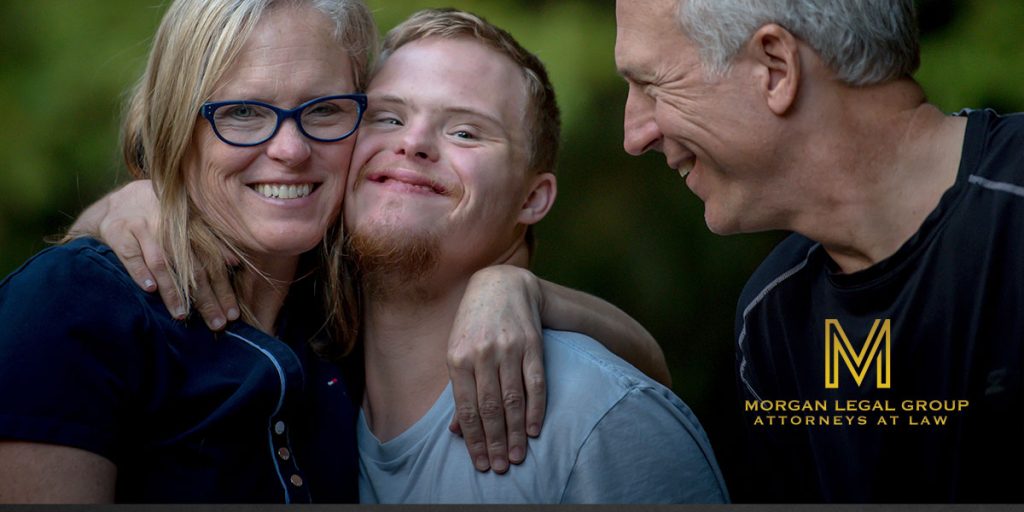
A parent’s first instinct is to provide for their child. So when a Brooklyn couple with a disabled adult son plans their will, they naturally name him as a primary beneficiary. They believe their life savings will secure his future. They are wrong. That inheritance, intended as a safety net, could immediately disqualify their son from the very government benefits—like SSI and Medicaid—that cover his housing, medical care, and daily support.
This is not a rare occurrence. It’s a devastatingly common one that we see in our practice. Good intentions, without prudent legal structure, can unintentionally dismantle a lifetime of carefully arranged support. The very act of giving can cause profound harm.
The Government Benefits Paradox
The problem begins with how means-tested government benefits work. Programs like Supplemental Security Income (SSI) and Medicaid are a lifeline for many individuals with disabilities. To qualify, a person must have extremely limited financial resources. For SSI, countable assets cannot exceed $2,000 for an individual.
An outright inheritance of $50,000, $100,000, or more will instantly push a beneficiary over that asset limit. The result is a loss of benefits. The inheritance must then be spent down on medical and living expenses until the beneficiary is once again poor enough to requalify. The funds meant to enhance their life are instead used to replace the public support system they once had. It’s a frustrating and entirely avoidable cycle.
This isn’t about hiding money. It’s about structuring it correctly so that private funds can supplement—not supplant—the public benefits that form the foundation of a person’s care.
The Supplemental Needs Trust: A Protective Structure
The primary legal instrument we use to resolve this paradox is the Supplemental Needs Trust (SNT). Sometimes called a Special Needs Trust, this is not a conventional trust. It is a highly specific legal structure designed to hold assets for a person with disabilities without those assets counting against them for benefit eligibility.
The key is ownership. Assets placed in a properly drafted third-party SNT are not owned by the beneficiary. Instead, they are owned by the trust and managed by a trustee you appoint. The trustee has the discretion to make distributions for the beneficiary’s benefit, but the beneficiary has no legal right to demand the funds. Because they cannot control or demand the assets, the government does not consider those assets theirs.
These trusts are recognized under federal law—specifically 42 U.S.C. § 1396p(d)(4)(A)—and must be administered according to the strict fiduciary standards laid out in New York’s Estates, Powers and Trusts Law (EPTL). The funds in an SNT cannot be used for basic food and shelter, which are covered by SSI. Instead, they are used to pay for things that enrich life: medical care not covered by Medicaid, educational programs, travel, hobbies, a wheelchair-accessible van, or a home health aide. The trust provides for quality of life without disrupting foundational support.
Choosing a Steward for Your Child’s Future
Creating the trust document is only half the battle. The single most important decision you will make is choosing the trustee. This person or institution will act as the steward of the funds and, in many ways, as a custodian of your child’s well-being after you are gone. This is a role that requires a rare combination of financial acumen, integrity, and genuine compassion.
Parents often consider naming another child or a close relative as trustee. This can work if the person is financially responsible and has the time, energy, and emotional fortitude for the job. But it can also strain family relationships. The trustee must be able to say “no” to requests that could violate the trust’s terms or jeopardize benefits.
Another option is a professional or corporate trustee—a bank, a trust company, or an attorney. They bring professional asset management and an objective understanding of the rules. The tradeoff can be a lack of personal connection. At my firm, we often work with families to establish a co-trusteeship, pairing a family member who knows the beneficiary intimately with a professional who understands the financial and legal duties. It can be a powerful combination.
Beyond the Trust: Guardianship and a Letter of Intent
A complete plan looks beyond the financial assets. If your child is unable to make their own medical, financial, or personal decisions upon reaching adulthood, you will need to establish legal guardianship. In New York, this is typically handled in Surrogate’s Court under Article 17-A of the Surrogate’s Court Procedure Act (SCPA).
A guardian has legal authority over the person; a trustee has legal authority over the trust’s assets. They are distinct but complementary roles. A truly intentional plan addresses both.
Finally, we always advise clients to write a Letter of Intent. This is not a legally binding document, but it is invaluable. It is your voice, a guide for the future trustee and guardian. In it, you can detail your child’s daily routines, their likes and dislikes, your hopes for their future, the names of trusted doctors and friends—all the personal context that legal documents can never capture. It is the human element that ensures your legacy is one of care, not just capital.
The first step for any parent is to create a clear picture of their child’s life—their needs, the benefits they receive, and the people you trust. When you’re ready, we can use that picture to structure a plan. I invite you to schedule a meeting where we can review your family’s specific situation and discuss the framework of a Supplemental Needs Trust.