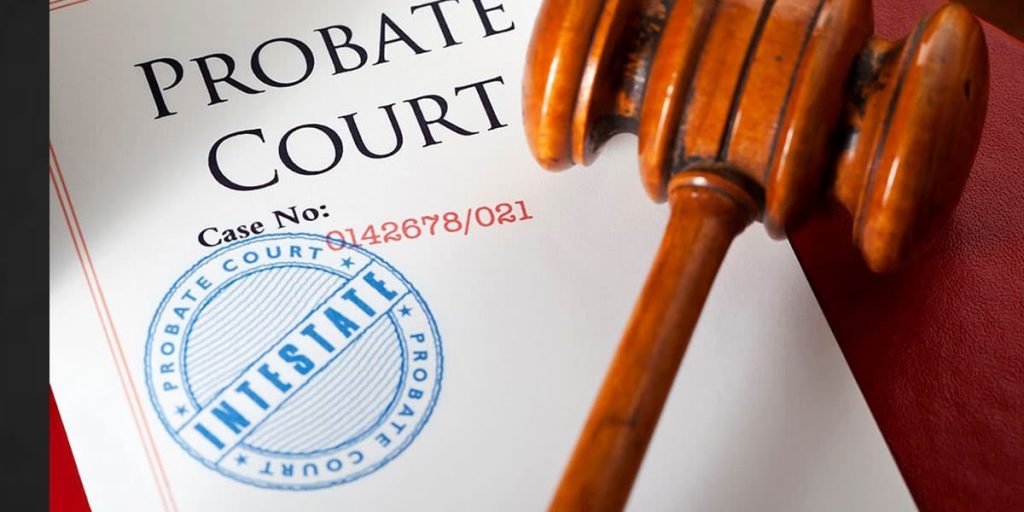
A family in Suffolk County receives a formal notice from the Surrogate’s Court. Their father has passed away, and his will has been filed. One of the children, named as the executor, is now legally responsible for managing the entire estate. The sense of duty gives way to the reality of court filings, asset inventories, and the weight of fiduciary obligation. This is probate.
I have spent my career guiding families through this exact situation. The court calls this process probate—its purpose is to ensure an orderly transfer of a person’s legacy by proving the will is valid. The executor, also known as the personal representative, is the central figure in this process, and their responsibilities are significant.
The Executor’s Role: More Than an Honor
Being named an executor is often seen as a final gesture of trust from a loved one. It is. But in the eyes of New York law, it is also the appointment to a demanding job—that of a fiduciary. A fiduciary has the highest legal duty to act in the best interests of the estate and its beneficiaries. This is not a role to be taken lightly. The executor’s personal interests must be set aside completely.
The core duties of an executor include:
- Petitioning the Court: The process begins by filing a petition for probate with the decedent’s will in the Surrogate’s Court of the county where they resided. This officially opens the estate.
- Marshalling Assets: The executor must identify, locate, and take control of all the decedent’s assets. This can mean everything from bank accounts and real estate on Long Island to investment portfolios and personal property.
- Notifying Interested Parties: All heirs, beneficiaries, and creditors must be formally notified of the probate proceeding. This ensures everyone has an opportunity to be heard by the court.
- Managing Debts and Taxes: The executor is responsible for paying the decedent’s final bills, outstanding debts, and any estate taxes that may be due. This requires meticulous record-keeping.
- Distributing the Estate: Only after all assets are gathered and all debts are paid can the executor distribute the remaining property to the beneficiaries as directed in the will.
Failing to perform these duties with prudence can expose an executor to personal financial liability. If assets are mismanaged or distributed improperly, beneficiaries can take legal action against the executor. This is where professional guidance becomes indispensable.
The Court Process and Its Contingencies
The probate process is governed by a specific set of rules outlined in the New York Surrogate’s Court Procedure Act (SCPA). For an executor acting alone, the forms, deadlines, and court appearances can be daunting. An attorney manages this procedure, ensuring every step is taken correctly and on time.
We handle the drafting and filing of the probate petition and other necessary documents. We communicate with the court clerks, manage the timeline, and appear at court hearings on behalf of the executor. This frees the executor to focus on family matters while we manage the legal requirements.
But our work goes beyond procedure. We are also there to manage the unexpected. What happens if a long-lost relative appears and claims to be an heir? What if a beneficiary believes the will was signed under duress or that the decedent lacked mental capacity? These situations can lead to a will contest.
When a Will Is Challenged
A will contest is a formal objection raised in court against the validity of a will. Under SCPA §1410, only parties with a direct financial interest that would be harmed by the will’s admission to probate have the standing to file objections. These are serious, often contentious, legal battles that can stall an estate’s administration for years and drain its resources.
In these cases, our role shifts. We work to defend the validity of the will on behalf of the estate. This may involve gathering evidence, interviewing witnesses to the will’s signing, and presenting a case to the Surrogate’s Court judge. Having an experienced attorney is not just helpful in a will contest; it is essential to protecting the decedent’s intended legacy.
Stewardship Through the Final Stages
Once the will is admitted to probate and any challenges are resolved, the executor’s work is still not done. The final accounting is a critical step. This is a detailed report of every transaction that occurred within the estate—all assets collected, income earned, expenses paid, and proposed distributions to beneficiaries. This accounting must be approved by the beneficiaries or the court before the estate can be closed.
We assist the executor in preparing this final accounting, ensuring it is accurate and transparent. This protects the executor from future claims and gives the beneficiaries a clear understanding of how the estate was managed. It is the final act of stewardship, bringing the decedent’s affairs to an orderly and honorable close.
Probate is not simply a legal hurdle. With deliberate action and proper legal support, an executor can fulfill their duties honorably. It is a process that, when handled correctly, validates a lifetime of work and ensures a legacy is passed to the next generation as intended.
If you have been named the executor of an estate in New York, your first step should be to understand the scope of your legal duties. We offer a private consultation to review the will and outline the specific responsibilities you will be undertaking as a fiduciary.