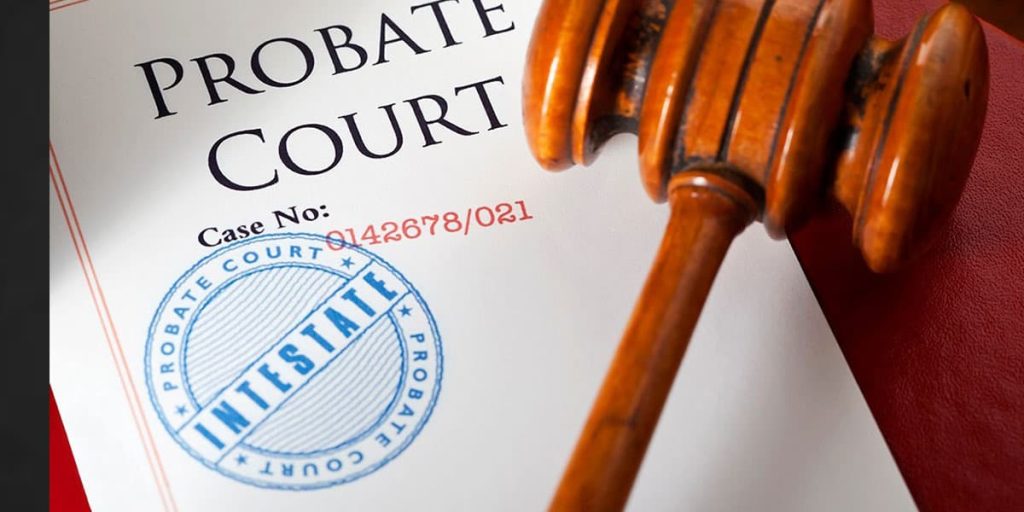
When a parent passes away on Long Island, one of the children often receives a formal notice naming them the executor of the estate. It feels like an honor—a final expression of trust. But it’s not an honor. It is a job, and one with significant personal liability. The next nine to twelve months, sometimes longer, will be spent reporting to the New York Surrogate’s Court, a process that can turn a family’s grief into a prolonged period of stress and financial risk.
My work is to guide families through this process. I have seen firsthand how a seemingly straightforward estate can become a minefield for an executor who is unprepared for the duties the law imposes on them.
The Court’s Role and the Executor’s Burden
Probate is the court-supervised process of validating a will, paying the decedent’s debts, and distributing their assets. In New York, this falls under the jurisdiction of the Surrogate’s Court. The court’s function is to ensure the will is authentic and that the executor carries out their duties according to the law and the terms of the will. This is a deliberate, methodical, and often slow procedure.
The executor is the central figure in this process. They are a fiduciary, which means they have the highest legal duty to act in the best interests of the estate and its beneficiaries. This duty includes:
- Marshalling Assets: Locating, securing, and inventorying all of the decedent’s property—bank accounts, real estate, investments, personal belongings.
- Paying Debts and Taxes: Notifying creditors, evaluating the legitimacy of their claims, and paying all valid debts and final taxes from the estate’s funds.
- Accounting to Beneficiaries: Keeping meticulous records of every dollar that comes in and goes out of the estate and providing a formal accounting to all beneficiaries.
- Distributing the Legacy: After all debts and expenses are paid, distributing the remaining assets to the beneficiaries as directed by the will.
This is not merely an administrative checklist. Each step carries legal weight. If an executor distributes assets to beneficiaries before settling a valid creditor claim, they can be held personally responsible for that debt. If they make a poor investment decision with estate funds, they can be sued for the loss. Stewardship is the core principle—and the court will hold you to it.
When a Simple Estate Becomes Complicated
Even modest estates can present significant challenges. The most common complication arises not from the assets themselves, but from family dynamics. A sibling may feel they were treated unfairly in the will. A disinherited child might emerge. A second spouse and children from a first marriage may have conflicting interests.
These disputes often lead to a will contest, where an interested party files formal objections to the will’s validity. Under Surrogate’s Court Procedure Act (SCPA) §1410, an objectant can challenge a will on grounds like lack of testamentary capacity, undue influence, or improper execution. This immediately halts the probate process and pulls the entire family into litigation. The executor is then in the difficult position of having to defend the will using estate funds while navigating intense personal conflict.
Beyond family disputes, other issues can quickly overwhelm an executor. What if the decedent owned a business in Brooklyn with complex valuation issues? What if there is real estate in another state? What if a significant creditor, like a hospital or a credit card company, presents a claim that seems inflated? Answering these questions incorrectly can have serious financial consequences.
The Role of Counsel in a Probate Proceeding
An estate attorney represents the executor—not the beneficiaries or the estate itself. Our primary role is to advise the executor on their fiduciary duties, manage the court process, and shield them from personal liability. We are not there to simply fill out forms. We are there to provide judgment.
In practice, this means we handle the procedural burdens, such as preparing the probate petition and communicating with the court clerks. More importantly, we provide a buffer between the executor, the beneficiaries, and the creditors. When a beneficiary demands an early distribution, we explain why the law requires patience. When a creditor makes an unsubstantiated claim, we challenge it. When a will contest is filed, we manage the defense.
The goal is to transfer the decedent’s legacy to the next generation as they intended—efficiently and with minimal friction. An executor acting alone is often trying to manage grief, family politics, and a complex legal process all at once. That is a burden no one should have to carry without counsel.
Being named an executor is a profound responsibility. It requires careful, deliberate action and a clear understanding of the law. It is not a task to be undertaken lightly or alone.
If you have been appointed the executor of a New York estate and need to understand your duties, our firm can schedule an initial review of the will to outline the specific steps and potential liabilities involved in your case.