When the founder of a Manhattan logistics firm passes away unexpectedly, the next nine months are rarely spent mourning. They are spent scrambling. The family inherits the shares, but the vendors demand immediate payment, the payroll requires authorization, and the bank freezes the primary operating accounts. Surrogate’s Court can easily transfer ownership of the stock, but a judge cannot run your supply chain. If the executor needs to keep the doors open, they must formally petition the court under SCPA § 2108 for the authority to continue the business—a public, stressful process that burns time and capital precisely when the company can least afford it.
Traditional estate planning too often treats business interests as passive lines on a spreadsheet. A lawyer drafts a will, assigns the shares to a trust, and considers the job finished. But a closely held enterprise is not a passive asset. It is a living, breathing operation that requires deliberate transition planning. Without it, the wealth you spent a lifetime building can evaporate in weeks.
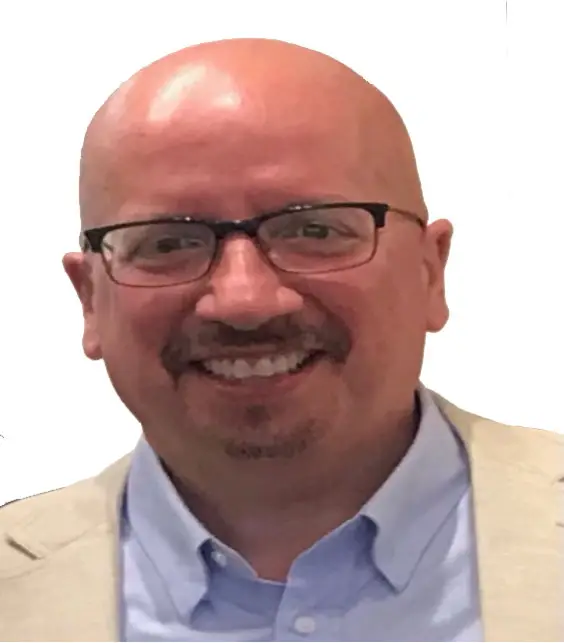
I brought Guy Chirico into Morgan Legal Group because protecting a family’s legacy requires more than just drafting legal documents. It requires operational foresight. As an attorney and executive advisor, Guy bridges the critical gap between legal mechanics and the daily reality of running a company. He understands that for many of our high-net-worth clients, protecting the family means protecting the business.
A Foundation in Public Policy and Corporate Mechanics
Guy brings over three decades of operational and legal experience to our practice. His approach to the law is grounded in a deep understanding of how institutions actually function. After completing his undergraduate studies in Humanities, Linguistics, and American History at Johns Hopkins University, he earned his Juris Doctor from Albany Law School.
Early in his career, Guy served as Chief Counsel to the Ranking Member of the New York State Senate Finance Committee. That role offered an unvarnished look at the intersection of public policy, financial frameworks, and statutory law. When we structure a generational wealth transfer for a family enterprise today, Guy applies that exact analytical discipline. He looks past the immediate tax implications to examine the corporate structure, the vendor contracts, and the operational bottlenecks that could derail the company when leadership inevitably transitions.
Fiduciary Duty and Corporate Revitalization
A significant portion of our corporate work involves stepping into disorganized or distressed situations. Guy has served as a court-appointed receiver, successfully leading the turnaround of a major regional employer. In receivership, there is absolutely no margin for error. You have to safeguard community jobs, stabilize depreciating assets, and restructure hostile debt simultaneously.
He applies this exact discipline to our executive advisory practice. Boards and executive leaders rely on him to manage periods of rapid growth or organizational restructuring. Fiduciaries—whether they are newly appointed trustees or executors managing a deceased founder’s company—face immense personal liability if they mismanage corporate assets. Guy actively helps the next generation of leadership streamline operations, refine staffing models, and reconfigure compensation structures so the business remains profitable under new management.
We do not just hand our clients a binder of legal documents. We stress-test the organization. If an LLC operating agreement lacks a funded buy-sell provision, leaving the family at the mercy of default membership rules under LLCL § 604, or if the corporate governance structure fails to separate voting control from economic rights, Guy identifies the vulnerability and corrects it.
Institutionalizing Founder Knowledge
A business is only a transferable asset if it can function without its founder. The modern enterprise is highly interconnected, and a disruption in a single vendor relationship can threaten a family’s primary source of wealth. Guy has extensive hands-on experience optimizing global supply chains, from identifying new international suppliers to eliminating redundant partnerships. He has negotiated complex agreements involving the import of specialized products and forged unique partnerships between international vendors and American enterprises.
We view this operational hygiene as a core component of asset protection. You cannot steward a legacy if the underlying business is exposed to catastrophic risk because only one person knows how the supply chain works. Institutionalizing founder knowledge is mandatory. Stewardship.
Guy specializes in proactively identifying these structural vulnerabilities—whether they lie in weak vendor contracts, inadequate commercial insurance, or inefficient international logistics—and mitigating them before a transition occurs. He maintains an active membership with the New York State Bar Association and cultivates deep professional relationships with bankruptcy trustees, corporate counsel, and judges across the state. This network gives our clients a distinct advantage when structural challenges arise.
Protecting a business is indistinguishable from protecting the family that owns it. Reviewing a corporate succession plan should happen long before a transition is necessary, while the founder is still in the room to explain the mechanics of their success. Request a corporate governance and estate plan alignment review with our office to verify that your business operating agreements function in harmony with your family trust.