When a retired schoolteacher in Queens passes away, her children find a handwritten note in her desk drawer. It starts with “To whom it may concern” and lists who should get the house, the savings bonds, and her wedding ring. They bring the note to our office, asking a simple question: “Is this a valid will?” The answer is rarely simple—and it often begins a long and costly journey through Surrogate’s Court.
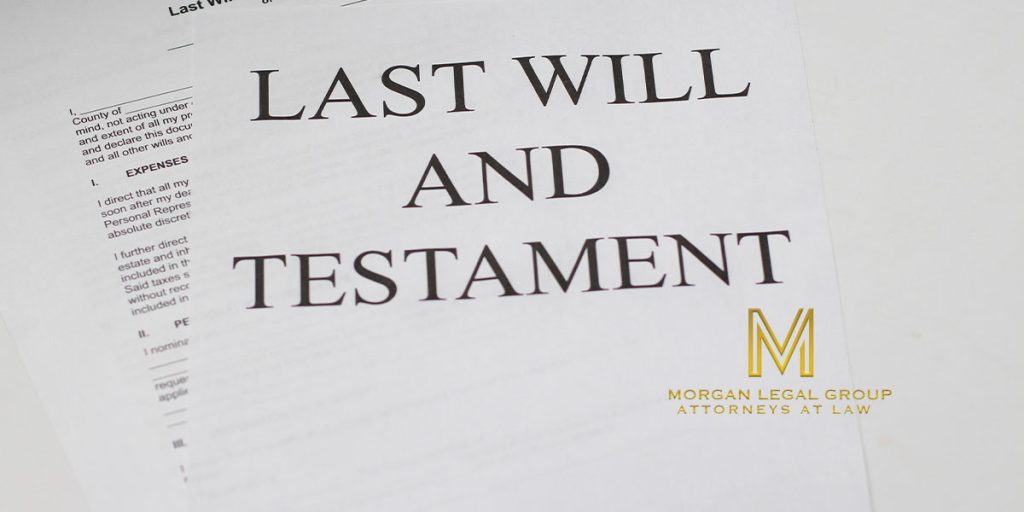
This is a scene we see often. A family is grieving and, at the same time, forced to decipher a loved one’s intentions without a clear, legally sound document. A Last Will and Testament is meant to prevent this exact uncertainty. It is the foundational document of an estate plan, serving as your direct instructions to the court and to your family after you are gone.
The Will as Your Set of Instructions
A will accomplishes three primary objectives. It is not just about giving away property; it is an act of deliberate stewardship.
First, it names your executor. This is the person—or institution—you entrust with the responsibility of carrying out your instructions. Your executor is your fiduciary, legally bound to act in the best interest of your estate. They are responsible for gathering your assets, paying your final debts and taxes, and distributing what remains to your beneficiaries. Choosing this person is one of the most important decisions in the document.
Second, a will directs the distribution of your assets. This includes real estate, bank accounts, investments, and personal property. Without a will, the state of New York decides for you. With a will, you maintain control. You decide who inherits, what they inherit, and when they inherit it. It is your opportunity to provide for family, support a charity, or recognize a friend.
Finally, for parents of minor children, a will is the only place to nominate a guardian. If you and your child’s other parent were to pass away, who would you want to raise them? Without your written nomination in a will, a judge who does not know you or your family will make that decision. This single provision is, for many of our clients, the most compelling reason to create a will.
The Fiduciary You Choose Matters
I often tell clients that naming an executor is not an honor—it is a job. The person you choose must be organized, trustworthy, and capable of handling a demanding and emotional process. They will need to manage paperwork, meet court deadlines, communicate with beneficiaries who may not always agree, and make prudent financial decisions.
Think carefully about who in your life possesses this skill set. Is it your oldest child, who may be grieving and overwhelmed? Is it a sibling who lives across the country? Sometimes the best choice is not a family member but a professional, like a CPA or an attorney, or a corporate trustee who can act with impartiality. The right executor can ensure a smooth administration; the wrong one can lead to family disputes and unnecessary delays.
When the State Writes a Will for You
Dying without a will is known as dying “intestate.” When this happens, New York law provides a default plan for distributing your property. This plan is outlined in Estates, Powers and Trusts Law (EPTL) § 4-1.1. The statute is rigid and makes no exceptions for your personal relationships or intentions.
For example, if you pass away with a spouse and children, the law dictates that your spouse inherits the first $50,000 of your estate, plus half of the remaining balance. Your children inherit the other half. This formula may not reflect your wishes. Perhaps you wanted your spouse to have the entire estate to live on, or you intended to leave a specific heirloom to one child. Intestacy law disregards these nuances completely. It treats all children equally, which can be problematic in blended families or where one child has greater needs.
What a Will Cannot Do
Understanding a will’s limitations is as important as knowing its functions. A will, by itself, does not avoid probate. Probate is the court-supervised process of validating the will and administering the estate. In New York, this happens in Surrogate’s Court. The process is public, can be time-consuming, and can be expensive.
A will also does not control certain assets. These “non-probate” assets pass directly to a named beneficiary by operation of law. Common examples include:
- Life insurance policies
- Retirement accounts (401(k)s, IRAs)
- Bank accounts designated as “payable-on-death” (POD) or “in-trust-for” (ITF)
- Property owned jointly with rights of survivorship
If your 401(k) names an ex-spouse as the beneficiary, that is who will receive the funds—regardless of what your will says. A proper estate plan coordinates your will with these beneficiary designations to ensure your entire legacy is managed according to a single, intentional strategy.
A will is an essential starting point. It provides clarity and direction when your family needs it most. But it is just one piece of a larger puzzle. Stewardship requires looking at the entire picture.
Before any documents are drafted, the first step is to create a clear inventory of your assets and your family structure. A good starting point is to list the people you would consider for key roles—executor, guardian, trustee—and think through the practical demands of each job. If you would like to discuss the duties these roles entail, my office can schedule a call to review the responsibilities of a fiduciary in detail.